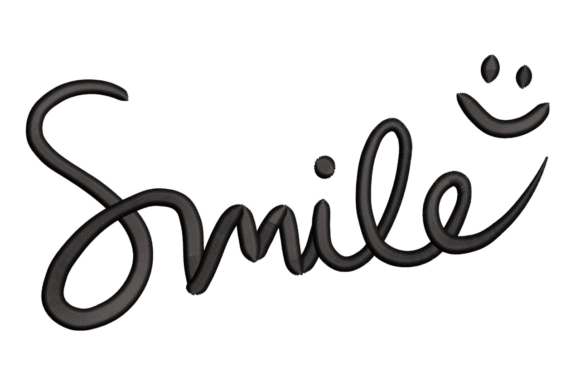
Smile Script: A Craft Fair Embroidery Review
As an experienced embroidery designer preparing for a weekend craft fair, I approach every new machine embroidery design with a critical eye. It is not enough for a digitized file to look good on a computer screen; it must translate into a profitable, high-quality handmade product that catches the attention of shoppers walking past a booth. When evaluating the "Smile Script" design, specifically the flowing script with a smiley face accent, my primary focus is on its commercial viability and production efficiency. This review breaks down how this specific inspirational embroidery asset performs in real-world scenarios, from the hooping station to the sales table.
First Impressions and Visual Marketability
The first impression of Smile Script is undeniably modern yet approachable. The description notes that the lettering is rendered in a thick style, which immediately signals durability and visibility. In the context of a busy handmade market, thin, wispy fonts often get lost against textured fabrics or from a distance. A thicker script ensures that the word "Smile" is legible from several feet away, acting as an effective hook for potential customers. The addition of the smiley face accent elevates the design from simple text to a complete graphic element. This combination strikes a balance between trendy minimalism and nostalgic warmth, making it versatile enough for both younger demographics seeking aesthetic accessories and older buyers looking for cheerful, traditional crafts.
From a branding perspective, this design feels premium rather than generic. The flow of the script suggests custom hand-lettering rather than standard keyboard font conversion. For an Etsy seller or boutique maker, this distinction matters. Customers are willing to pay higher price points for items that appear thoughtfully designed. The positive messaging aligns perfectly with current market trends favoring mental health awareness and daily affirmations, giving this embroidery file strong emotional selling power.
Best Performing Products for Craft Fairs
Not every design works on every substrate. Based on the thick lettering and accent graphics of Smile Script, I have identified specific products where this design will yield the highest return on investment during a market event.
- Tote Bag Design: Canvas totes are the quintessential craft fair product. The thickness of the Smile Script lettering pairs exceptionally well with heavy-weight canvas or denim. The design serves as a bold focal point that can be centered or placed in the bottom corner for a minimalist look. Because totes are flat and stable, they allow for consistent registration of the smiley face accent without distortion.
- Tea Towel Embroidery: Flour sack towels and linen blends are top sellers in the inspirational category. Smile Script works beautifully here because the thick stitches prevent the design from sinking into the fabric weave. However, placement is key; centering the design slightly above the middle creates a balanced visual when the towel is hung or folded.
- Apron Embroidery: For kitchenware vendors, this script adds a personalized touch to aprons. The flowing nature of the text complements the curves of an apron bib. I recommend testing on lighter-colored aprons first, as the thick fill stitches may cause puckering on very lightweight poly-cotton blends if not properly stabilized.
- Embroidered Patch: Given the self-contained nature of the word and icon, Smile Script is an excellent candidate for standalone patches. Patches are high-margin add-ons at checkout counters. The thick lettering provides a solid base for merrowed edges, and the positive message makes them impulse buys for backpacks and jackets.
Production Practicality and Batch Efficiency
For a small shop product line, time is money. Smile Script appears highly suitable for batch production. Flowing scripts generally require fewer trims and jumps compared to block lettering or complex illustrations. Fewer trims mean faster run times and less post-production cleanup. The smiley face accent, likely being a compact satin or fill stitch object, should integrate smoothly into the stitching sequence without requiring excessive repositioning.
Photographing this design for online listings is also straightforward. The bold lines create natural contrast, making it easier to capture crisp photos even in variable lighting conditions. When creating a printable mockup or listing photo, the design’s clarity ensures it remains recognizable even in thumbnail size. This is crucial for digital sellers offering the digital embroidery file directly, as buyers need to instantly understand the stitch texture and weight from a static image.
Critical Use Notes and Technical Considerations
While Smile Script is versatile, the "thick" rendering mentioned in the product description requires careful technical management. As a professional, I must highlight areas where caution is necessary to maintain quality standards.
Managing Stitch Density and Fabric Texture
Thick lettering implies higher stitch density. On plush fabrics like terry cloth or fleece, this is beneficial as it prevents the fabric from showing through. However, on delicate knits or performance wear, dense fills can create a bulletproof patch effect or cause needle holes. Always verify the density settings before running production. If the design feels too stiff for a baby onesie or lightweight tee, consider resizing or using a lighter stabilizer, though you must ensure the structural integrity of the thick script remains intact.
Curved Surfaces and Small Details
If applying this to caps, be aware that flowing scripts can distort on curved surfaces. The smiley face accent must remain circular; if the cap curve stretches it into an oval, the design loses its charm. Test on a curved hoop specifically. Additionally, while the main script is thick, check the connection points between letters. In smaller sizes, these connecting threads can become fragile or pull out. Never scale this design below the recommended minimum size without verifying that the internal details of the smiley face do not merge into a solid blob of thread.
Designer Checklist for Commercial Success
Before listing any finished item featuring Smile Script or selling the file itself, run through this practical checklist to protect your business reputation and ensure customer satisfaction.
- Test on Scrap Fabric: Never assume the digitizing is perfect for your specific machine tension. Run a test sew-out on the exact fabric and stabilizer combination you intend to sell. Check for puckering, registration errors between the script and the smiley face, and overall drape.
- Verify Thread Contrast: Thick script relies on clean edges. Ensure your thread colors provide sufficient contrast against the base fabric. Pastel thread on white fabric may make the thick stitches look muddy rather than soft.
- Confirm Hoop Size Compatibility: Measure the actual dimensions of the design. Ensure it fits comfortably within your hoop size with adequate margin for stabilization. Overstretching fabric to fit a design leads to distortion.
- Review Licensing Terms: Before selling physical goods or digital assets, confirm the commercial licensing included with the purchase. Some designers restrict mass production or digital redistribution. Clear licensing protects your commercial embroidery business from legal issues.
- Create Real Mockups: Digital renderings are useful, but nothing sells a finished product like a photograph of the actual stitched item. Create at least one physical sample to demonstrate the texture and quality of the thick lettering to your customers.
Smile Script represents a strong opportunity for makers in the inspirational niche. Its bold construction addresses common visibility issues in market environments, while its positive theme resonates with current buyer sentiments. By respecting the technical requirements of thick embroidery and selecting appropriate substrates, this design can become a reliable bestseller in your collection. Whether you are stocking a booth with embroidered totes or expanding your digital catalog, approaching this file with professional scrutiny ensures that every stitch contributes to a sustainable, profitable creative business.