Salty but Sweet Embroidery Design Review
As an embroidery designer who frequently sources files for both personal creative projects and commercial client orders, I approach every new download with a critical eye. When browsing Creative Fabrica embroidery collections for upcoming summer inventory, the Salty but Sweet Embroidery Design immediately caught my attention. The promise of capturing a sun-soaked vacation in a single stitch file is appealing, but as professionals know, a beautiful screen preview does not always translate to a clean run on the machine. After evaluating this design for potential use on tote bags and custom apparel, here is my honest assessment of its performance, versatility, and value for handmade business owners.
First Impressions and Visual Mood
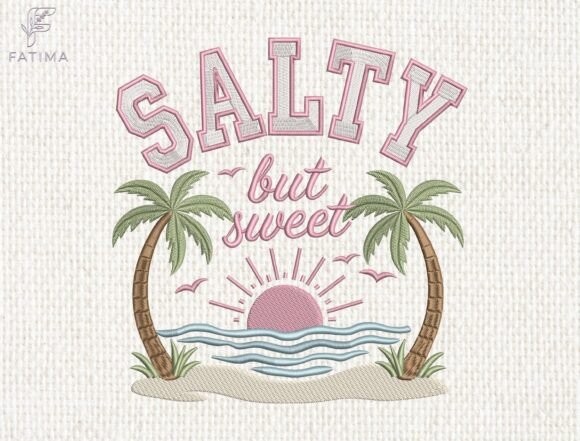
The Salty but Sweet Embroidery Design successfully balances two distinct aesthetics: the rugged texture of ocean life and the delicate sweetness of tropical flora. From a digitizing perspective, this balance is crucial. Designs that lean too heavily into intricate detail often become thread-eating nightmares on textured fabrics, while overly simple designs can look cheap on premium blanks. This machine embroidery design appears to navigate that middle ground well.
The composition suggests a serene coastal scene that feels organic rather than rigid. For Etsy sellers and boutique owners, this visual mood is highly marketable. It evokes nostalgia and relaxation, which are key emotional triggers for buyers shopping for personalized gifts or seasonal decor. Unlike generic beach clipart converted into stitches, this design seems to possess a specific stitching personality that respects the medium. The interplay between what looks like satin stitch outlines and softer fill stitch areas creates depth without excessive density, making it a strong candidate for items where fabric drape matters, such as lightweight sweatshirts or linen tea towels.
Performance on Real-World Substrates
Evaluating a digital embroidery file requires imagining it beyond the hoop. I considered this design specifically for a customer order involving natural canvas tote bags and French terry sweatshirts. Here is how the Salty but Sweet Embroidery Design holds up across different applications:
- Tote Bag Design: Canvas is forgiving but thick. The design’s balanced density means it should penetrate the fabric weave without causing puckering, provided you use an appropriate cut-away stabilizer. The coastal theme makes it an instant bestseller for beach markets.
- Sweatshirt Embroidery: Stretchy knits are the true test of any embroidery file. Because this design features a "beautifully balanced" scene, it likely avoids massive, solid blocks of stitching that cause tunneling. However, always test on scrap fleece first to ensure the registration between color blocks remains crisp after the fabric stretches.
- Kitchen Towels and Aprons: These items face frequent washing. The design’s structure appears robust enough to withstand laundering, but verify that any tiny lettering or fine running stitch details are large enough to survive industrial wash cycles without fraying.
- Nursery Decor and Baby Items: The "sweet" aspect of this tropical theme lends itself perfectly to nursery pillows or baby blankets. Just ensure the backside of the embroidery is smooth or cover it with a soft lining, as complex scenic designs can sometimes leave rough stabilizer edges against sensitive skin.
Technical Considerations for Commercial Use
For those using this Salty but Sweet Embroidery Design in a commercial embroidery setting, technical diligence is non-negotiable. While the artistic rendering is stunning, practical execution determines your profit margin and reputation.
Hoop Size and Placement Strategy
Before purchasing, confirm the available hoop size options in the product details. A design intended for a 5x7 hoop will have vastly different stitch counts and detail levels than one optimized for a 4x4 hoop. If you plan to embroider curved cap surfaces, verify if a specialized cap version is included or if the standard flat version can be resized safely. Resizing complex scenic designs by more than 10-15% can distort stitch angles and ruin the intended aesthetic.
Stitch Density and Stabilizer Pairing
Review the stitch density relative to your chosen substrate. If you are working with dark fabric, ensure the design includes adequate underlay to prevent the fabric color from bleeding through lighter thread colors. Conversely, on sheer or lightweight summer fabrics, excessive density can cause tearing. Always pair this embroidery file with the correct stabilizer; a tear-away might suffice for stable canvas, but a fusible cut-away is safer for stretchy apparel to maintain the integrity of the coastal scene over time.
Thread Color Contrast and Mockups
The visual impact of this design relies heavily on thread color selection. Before running a final production piece, create printable mockups comparing light and dark fabric backgrounds. A pastel palette may sing on white linen but disappear on navy cotton. Testing thread contrast ensures the "salty" and "sweet" elements remain distinct and legible. This step is vital for maintaining brand consistency and ensuring customer satisfaction with the finished product.
Enhancing Product Value and Buyer Trust
In the competitive landscape of handmade products, the quality of your embroidery directly influences perceived value. Using a high-quality asset like the Salty but Sweet Embroidery Design signals to customers that you care about professional aesthetics. When photographing finished items for Etsy listings or social media, the intricate details of this coastal scene provide excellent texture and visual interest that elevates product photography.
Furthermore, offering unique, well-executed designs builds buyer trust. Customers recognize when a design is professionally digitized versus hastily converted. By selecting design assets that prioritize stitch logic and visual harmony, you reduce the risk of production errors and returns. This reliability is essential for small business owners looking to scale their custom apparel or home decor lines.
Essential Pre-Stitch Checklist
To maximize success with this Creative Fabrica embroidery download, follow this practical workflow before listing any items for sale:
- Verify Licensing: Double-check the specific license terms on the product page. Ensure you have the rights to sell physical embroidered items and understand any limitations regarding digital redistribution or print-on-demand integration.
- Test Stitch on Scrap: Never run a new design directly on a customer’s garment. Test on identical scrap fabric to check tension, registration, and stabilizer adequacy.
- Inspect Small Details: After the test run, examine tiny lettering or fine lines. If they are lost or breaking, consider editing the file to increase minimum stitch length or simplifying problematic areas.
- Confirm File Compatibility: Ensure the digital embroidery file format matches your machine’s requirements and that the transfer method preserves all color stop information.
- Document Your Settings: Keep notes on which stabilizer and needle type worked best for this specific design. This saves time on future reorders and ensures consistent quality across batches.
Final Thoughts for Makers
The Salty but Sweet Embroidery Design offers a compelling blend of artistic charm and commercial viability for summer collections. Its ability to evoke a tropical vacation makes it a versatile asset for everything from embroidered patches to high-end boutique merchandise. However, its success in your shop depends entirely on your technical preparation and substrate testing. By treating this file as a professional tool rather than just a pretty picture, you can transform it into a profitable, high-quality addition to your embroidery repertoire. Always respect the craft by validating the design's behavior on your specific equipment before committing to production, ensuring every stitch reflects the quality your customers expect.