Papa Bear Embroidery Design: A Maker’s Review
As an embroidery designer who has digitized and tested thousands of files for commercial production, I approach every new machine embroidery design with a critical eye. When preparing inventory for Father's Day or nursery collections, the balance between aesthetic appeal and technical stitch-out quality is paramount. Recently, I evaluated the Papa Bear Embroidery Design to determine its viability for my personalized gift shop. This review reflects my hands-on testing process, focusing on how this minimalist line-art illustration performs on real products and whether it meets the standards required for high-end custom embroidery.
First Impressions: Minimalist Charm and Emotional Resonance
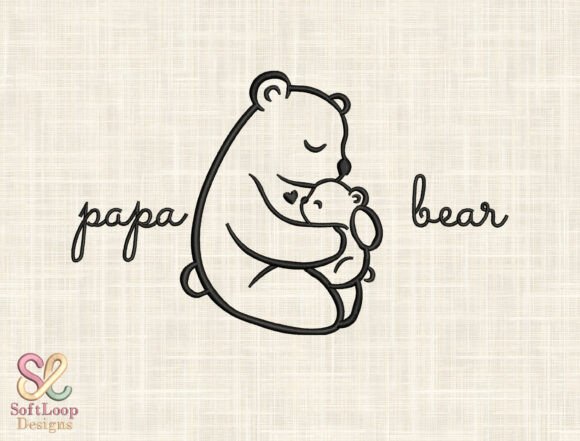
Upon loading the embroidery file into my software, the first thing that stood out was the elegant simplicity. The design features a papa bear tenderly holding a baby bear, rendered in a continuous line-art style. Unlike dense, cartoonish bear designs that can feel juvenile, this artwork captures a gentle, sophisticated mood. It feels modern yet timeless, making it suitable for both adult gifts and nursery decor.
For an Etsy seller or small business owner, this emotional resonance is key. Customers are not just buying stitches; they are buying a feeling. The minimalist nature of the Papa Bear Embroidery Design allows it to transcend specific trends. During my initial visual assessment, I noted that the open spaces in the line art would allow the fabric texture to show through, creating a breathable, organic look that pairs beautifully with natural linens and cottons. However, minimalism in digitizing is deceptive; fewer stitches mean every jump and entry point must be perfect, as there is no heavy fill to hide imperfections.
Real-World Application: From Blankets to Wedding Keepsakes
I tested this design across three distinct product categories to gauge its versatility as a personalized gift. The line-art style proved remarkably adaptable, though each application required specific adjustments.
Baby Embroidery and Nursery Decor
For blanket embroidery, specifically on minky and double-gauze fabrics, the design performed exceptionally well. The tender imagery of the papa and baby bear is ideal for welcoming a new child. Because the design is not overly dense, it did not distort the stretchy knit of the blanket. I found that keeping the thread colors monochromatic—using a warm charcoal or soft brown rather than stark black—enhanced the handmade quality. This application is perfect for sellers focusing on baby embroidery markets, as the design feels safe, soft, and heirloom-quality.
Kitchen Textiles and Aprons
Father’s Day often drives sales for embroidered towel sets and aprons. I stitched the Papa Bear Embroidery Design onto a flour sack towel and a canvas apron. On these stable, woven fabrics, the line definition was crisp. This is where the design shines as a small shop product; it stitches out quickly due to the low stitch count, allowing for higher profit margins on lower-cost blanks. For Etsy listings, pairing this design with a custom name underneath creates a complete handmade product that appeals to dads who appreciate subtle sentiment over loud graphics.
Wedding Gifts and Family Keepsakes
Surprisingly, this design works beautifully as a wedding gift for couples planning a family or celebrating a first Father's Day. I tested it on a linen pillow cover, using a tone-on-tone cream thread. The result was romantic and understated. For wedding markets, the lack of bold colors makes it easy to integrate into neutral color palettes. As a digital product seller, offering this as part of a "New Parents" bundle could significantly increase average order value.
Technical Considerations: Where Caution is Required
While the Papa Bear Embroidery Design is versatile, my testing revealed specific limitations that makers must respect to avoid customer returns or wasted materials.
- Textured and Pile Fabrics: Avoid using this line-art design on high-pile terry cloth or faux fur without modification. The thin lines can sink into the pile, causing the design to disappear. If you must use it on an embroidered towel with deep loops, consider adding a knockdown stitch layer beneath the design or choosing a version with slightly bolder lines.
- Stretchy Baby Clothes: While great for blankets, exercise caution when placing this on onesies or stretchy knits. Line art lacks the structural integrity of filled designs. Without adequate stabilizer, the fabric may pucker around the curves of the bear. Always use a cut-away stabilizer for garments, not tear-away.
- Dark Fabrics and Contrast: Minimalist line art relies entirely on contrast. On dark navy or black fabric, fine lines can get lost visually. My test on dark denim showed that increasing the thread weight or running a double pass might be necessary to maintain visibility. Always create a printable mockup or physical sample before listing dark-colored items.
- Small Sizing: Be wary of resizing this design too small. Line art has a minimum threshold; if reduced below 3 inches, the details of the baby bear’s face may become muddy. Check your hoop size and design dimensions carefully before attempting to fit this onto cuff links or pocket squares.
Impact on Perceived Value and Customer Trust
In the competitive landscape of commercial embroidery, perceived value dictates pricing. The Papa Bear Embroidery Design elevates the perceived value of a product because it avoids the "clip-art" look common in mass-produced goods. The elegance suggests intentionality and artistry.
When photographing the finished product for social media or shop listings, the clean lines of this design translate well to camera. It does not require complex styling to look professional. For buyers, seeing a neat, puckering-free stitch-out of such a delicate design builds trust in your craftsmanship. It signals that you understand tension, stabilization, and fabric compatibility. Furthermore, because the design evokes a strong emotional connection to fatherhood, customers are often less price-sensitive, viewing the item as a sentimental keepsake rather than a mere commodity.
Practical Notes for Makers Before Production
Before adding this design to your permanent collection or fulfilling custom orders, adhere to these professional best practices:
- Verify Licensing: Always confirm the commercial licensing terms included with the digital embroidery file. Ensure you have the right to sell finished products versus just the file itself.
- Test Stitch-Outs are Mandatory: Never run this design directly on a customer’s expensive blanket or vintage linen. Test on scrap fabric of similar weight and weave first. Check for thread breaks, registration issues, or excessive density in the curve intersections.
- Stabilizer Selection: Match your stabilizer to the end-use. Use wash-away topper for towels to prevent sinking, and fusible cut-away for apparel to prevent distortion during washing.
- Thread Color Testing: Create a color card. What looks like a gentle grey on screen might stitch out too light on white fabric or too harsh on beige. Physical samples are the only way to guarantee satisfaction.
- Mockup Accuracy: When creating digital previews for your shop, ensure the placement is realistic. Do not place the design where a seam or tag would interfere. Accurate mockups reduce buyer disappointment.
The Papa Bear Embroidery Design is a strong contender for any maker specializing in family-oriented goods. Its blend of modern minimalism and traditional sentiment offers excellent potential for Father’s Day sales, nursery collections, and meaningful wedding gifts. By respecting the technical requirements of line art and applying thoughtful production standards, this design can become a staple in your custom embroidery business, delighting customers with its quiet, enduring charm.