Made with Love Script: A Craft Fair Seller’s Review
As an experienced embroidery designer preparing for a busy weekend craft fair, I approach every new machine embroidery design with a critical eye. It is not enough for a file to simply stitch out cleanly on my screen; it must translate into a tangible, sellable item that catches the attention of shoppers walking past my booth. When evaluating the "Made with Love Script" for my upcoming market lineup, I am looking for versatility, commercial viability, and that intangible quality that turns a browser into a buyer. This review breaks down how this specific script font performs in real-world production scenarios for handmade business owners and Etsy sellers.
First Impressions and Market Viability
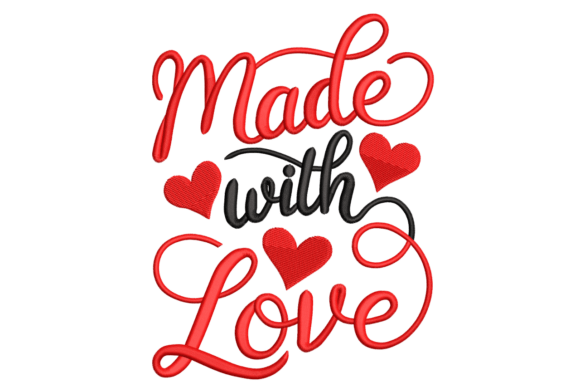
The title "Made with Love Script" immediately suggests a warm, sentimental aesthetic that is a staple in the sewing crafts industry. Upon reviewing the design assets, the script feels organic rather than rigidly digital. For a craft fair product, this is essential. Shoppers at handmade markets are seeking authenticity, and a font that mimics natural handwriting bridges the gap between machine production and artisanal care. The design strikes a balance between elegant and accessible, avoiding the overly ornate flourishes that can sometimes look dated or get lost in fabric texture.
From a sales perspective, this script carries a built-in emotional hook. It does not require additional graphics to convey its message, which keeps production costs low and profit margins high. Whether positioned as a subtle accent or a bold statement, the typography communicates value instantly. For boutique makers and creative entrepreneurs, this means less time explaining what the design represents and more time closing sales. It fits seamlessly into current trends favoring soft minimalism and personalized gifting, making it a safe yet profitable addition to any commercial embroidery inventory.
Best Applications for Booth Displays and Online Sales
Determining where to place this design is just as important as the stitching itself. Based on the flow and weight of the "Made with Love Script," certain products will naturally outperform others in both physical and digital storefronts.
- Tea Towel Embroidery: This is arguably the strongest application for this script. The linear nature of text works beautifully across the bottom third of a flour sack towel. It reads clearly from a distance when hung on a display rack, and the sentiment aligns perfectly with kitchenware.
- Tote Bag Design: Canvas totes provide a stable foundation for script. Centered placement creates a modern, minimalist look that appeals to younger demographics. As a reusable market bag, it serves as a walking advertisement for your brand when customers carry their purchases home.
- Apron Embroidery: Placing the script on the chest bib or lower pocket adds a premium touch to functional gear. This transforms a standard utility item into a thoughtful gift for bakers and chefs, increasing the perceived value significantly.
- Fabric Pouches and Pillow Covers: For smaller hoop sizes, this script scales down effectively without losing legibility. These items make excellent add-on sales or impulse buys at the end of a table display.
For Etsy sellers, this design photographs exceptionally well. Script fonts tend to create pleasing negative space, making them ideal for flat lays and printable mockups. Unlike dense pictorial designs that can look muddy in thumbnail images, clean script maintains clarity even on mobile screens, which is crucial for driving click-through rates.
Production Practicality and Batch Efficiency
A design might be beautiful, but if it takes three hours to stitch and requires constant babysitting, it is not viable for batch production. "Made with Love Script" appears optimized for efficiency. Script designs generally have fewer trims and jumps than block lettering or complex illustrations, which reduces finishing time. This is a massive advantage when fulfilling custom orders or restocking bestsellers before a market.
The repeatability of this design allows for streamlined workflow. Once you have dialed in the perfect stabilizer and thread tension for one tea towel, you can replicate that success across dozens of units. This consistency builds brand trust; customers know that whether they buy from you today or six months from now, the quality remains identical. Furthermore, because the design relies on typography rather than trendy seasonal graphics, it avoids obsolescence. You can produce this year-round without worrying about leftover inventory after the holidays pass.
Critical Technical Considerations for Makers
Despite its apparent simplicity, script embroidery presents unique challenges that professional designers must navigate. Before loading this digital embroidery file into your machine for a full production run, consider these technical constraints to ensure a flawless finished product.
Fabric Texture and Stabilization
Script relies on smooth, continuous lines. Textured fabrics like terry cloth or waffle weave can swallow thin stitches. If using this for tea towel embroidery or plush items, always use a water-soluble topping to keep the stitches floating above the pile. Without this step, the delicate connections in the script may break or become illegible. For stretchy knits used in apparel, a cut-away stabilizer is non-negotiable to prevent distortion during wear and washing.
Scaling and Legibility
While "Made with Love Script" is versatile, there is a floor to how small it can go. Reducing script too aggressively causes satin stitches to narrow beyond what the machine can reliably form, leading to thread breaks or poor coverage. Always check the minimum recommended size in your embroidery file documentation. Conversely, enlarging the design excessively may reveal gaps in stitch density. Test the upper and lower limits of scaling on scrap fabric before committing to expensive blanks.
Thread Contrast and Color Selection
Script demands contrast. A white script on cream fabric may look elegant in person but will vanish in online photos. For craft fair displays, opt for high-contrast thread colors that pop against the background. Dark threads on light fabrics generally photograph better and read faster from a distance. If offering custom color options, maintain a curated palette to avoid decision paralysis for customers and simplify your thread changes during production.
Designer Notes for Commercial Success
To maximize the return on investment for this design asset, treat your preparation phase as seriously as your selling phase. Here is my checklist for integrating "Made with Love Script" into a professional embroidery business:
- Verify Licensing: Before selling any finished product, confirm the commercial licensing terms included with the digital embroidery file. Ensure you are permitted to sell physical goods embroidered with this design, especially if operating under a registered business name.
- Create Real Mockups: Do not rely solely on software simulations. Stitch out at least one sample on the actual blank you intend to sell. Photograph this sample in natural lighting for your Etsy listing and social media. Real textures sell better than digital renders.
- Test on Multiple Substrates: What works on canvas may fail on linen. Run tests on every fabric type in your inventory to adjust tension and stabilizer combinations accordingly.
- Check Hoop Size Compatibility: Confirm the design dimensions fit within your machine’s maximum embroidery area with adequate clearance. Trying to squeeze a design into a hoop that is too tight leads to registration errors and wasted materials.
- Document Your Settings: Keep a production log noting which stabilizer, needle size, and thread brand yielded the best results for this specific script. This saves troubleshooting time during future reorders.
Ultimately, "Made with Love Script" represents a strong opportunity for handmade shop owners and craft fair vendors. Its blend of emotional resonance and production efficiency makes it a reliable workhorse in a competitive market. By respecting the technical requirements of script embroidery and applying strategic product placement, this design can elevate your brand presence and drive consistent sales. Remember that in the world of sewing crafts, the difference between a hobbyist and a professional lies in these details. Take the time to test, refine, and present this design with the same love implied in its name, and your customers will undoubtedly respond.