Lucky is the Vibe Embroidery: A Designer’s Review
As a professional embroidery digitizer and product reviewer, I approach every new machine embroidery design with a critical eye. It is not enough for a file to simply look good on a screen; it must perform under the needle and translate into a sellable or giftable item. When evaluating the Lucky is the Vibe Embroidery design, my primary focus was on how the stylish script lettering and decorative clover accents interact during actual stitching. This review breaks down the practical realities of using this embroidery file for real-world projects, moving beyond basic descriptions to offer actionable insight for makers, Etsy sellers, and apparel decorators.
First Impressions and Visual Personality
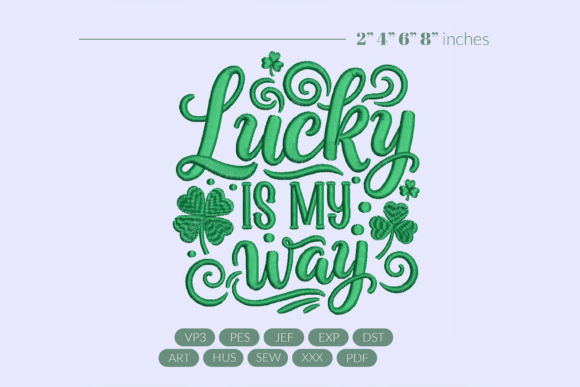
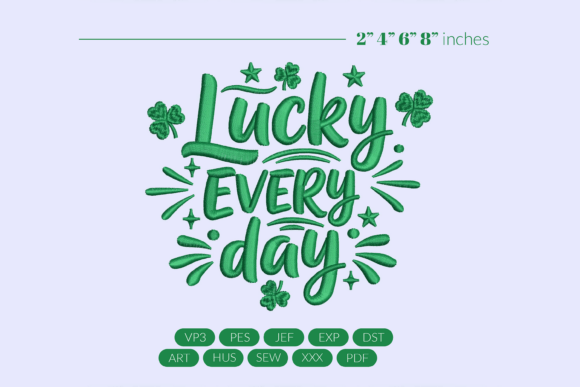
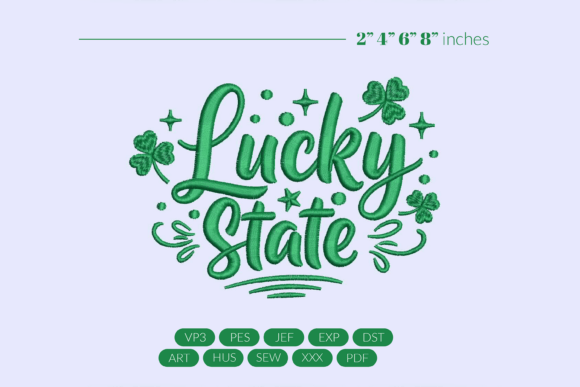
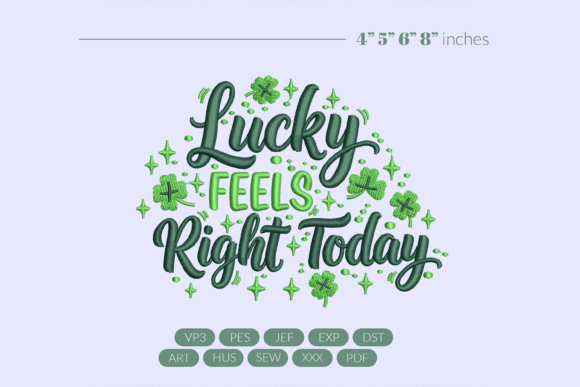
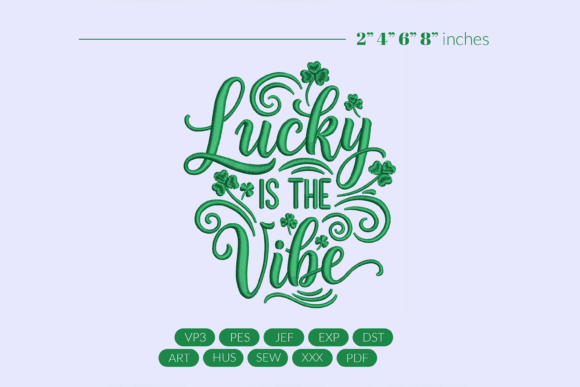
The immediate appeal of Lucky is the Vibe Embroidery lies in its modern interpretation of traditional St Patrick S Day motifs. Rather than relying on cartoonish leprechauns or overly dense shamrock fills, this design utilizes trendy script typography balanced with delicate swirls. From a design perspective, this creates a sophisticated mood that transcends the holiday itself. The layout suggests a versatile aesthetic that could easily transition from specific holiday embroidery to general springtime apparel.
Visually, the balance between the text and the clover accents is crucial. In many script designs, the connecting threads can cause puckering or tension issues. However, the flow of this particular design appears optimized for continuous stitching where possible. The decorative elements serve as visual anchors without overwhelming the legibility of the phrase. For a handmade product, this level of intentionality signals quality to the buyer. It feels less like a generic clip-art placement and more like a curated piece of textile art.
Real-World Application: The Custom Sweatshirt Test
To truly evaluate utility, I mentally placed Lucky is the Vibe Embroidery onto a heavyweight cotton fleece sweatshirt, which is currently a staple for Etsy seller inventories and small shop product lines. Sweatshirts present unique challenges due to their loft and stretch. The script style in this design requires careful consideration of stitch density. If the satin stitches are too dense, they will cut into the fleece; if too sparse, the fabric texture will show through, making the lettering look cheap.
In this scenario, the design performs best when centered on the chest or placed subtly on the sleeve cuff. The "vibe" aspect of the title aligns perfectly with the cozy, casual nature of custom apparel. For a personalized gift, this design offers enough negative space around the lettering to potentially add a custom name below in a simpler font, increasing the perceived value of the finished garment. The clover accents provide just enough seasonal relevance without dating the piece so heavily that it cannot be worn past March 17th.
Versatility Across Different Substrates
Beyond apparel, I assessed how this digital embroidery file adapts to other common embroidery project types:
- Tote Bag Design: Canvas totes are unforgiving surfaces. The script in Lucky is the Vibe Embroidery needs adequate stabilization here. Because canvas has zero stretch, the design will stitch out crisply, making it an excellent candidate for boutique merchandise or craft fair items.
- Kitchen Towels and Tea Towels: Linen and terry cloth require different approaches. The decorative swirls may get lost in high-pile terry cloth unless a water-soluble topping is used. On flat linen, however, the design shines as elegant home decor.
- Baby Embroidery: While the vibe is trendy, one must be cautious with baby items. Script fonts often have long satin stitches that can snag tiny fingers. If using this for infant wear, verify that the satin stitch width is safe or consider resizing the design to reduce stitch length.
- Embroidered Patch: The contained shape of the lettering and accents makes this suitable for patch creation, provided a sturdy border is added during digitizing or editing.
Critical Considerations and Limitations
No commercial embroidery asset is perfect for every situation. There are specific contexts where Lucky is the Vibe Embroidery demands extra caution. Small hoop size adaptations are the most significant risk factor. Script lettering relies on fluid movement; shrinking this design down to fit a 4x4 hoop may cause the inner loops of the letters to close up or the clover details to become indistinguishable blobs. Always check the minimum recommended size before attempting to resize.
Fabric choice also dictates success. On dark fabrics, ensure your thread colors provide sufficient contrast. Light green script on navy blue works beautifully, but medium green on heather grey might lack the necessary pop. Furthermore, on highly textured fabrics like boucle or minky, the fine details of the swirls will disappear. In these cases, this design may not be the right choice unless simplified.
Stretchy performance fabrics also pose a challenge. Without proper stabilizer selection—specifically a cut-away for knits—the script will distort during wear and washing. The "vibe" should remain intact after laundering; if the letters warp because of inadequate backing, the finished product loses its professional integrity.
Impact on Business Value and Customer Trust
For creative entrepreneurs and craft business owners, the choice of design directly impacts brand perception. Using Lucky is the Vibe Embroidery communicates a sense of current trend awareness. Customers recognize when a maker is using fresh, stylish assets versus outdated stock designs. This recognition builds trust and justifies higher price points for custom apparel and accessories.
When creating printable mockup listings or digital previews, the clean lines of this design photograph well. The distinct separation between lettering and accent elements allows for easy color swapping in editing software, enabling sellers to showcase multiple variations from a single design assets purchase. This efficiency is vital for maintaining a robust inventory without excessive digitizing costs.
Practical Designer Notes for Success
Before loading this embroidery file into your machine for a final run, adhere to these professional best practices:
- Test Stitch is Mandatory: Never assume a digital preview equals physical reality. Run a test on scrap fabric that matches your final project's weight and weave. Check specifically for registration issues between the script and the clover accents.
- Verify Stabilizer Pairing: Match your backing to the fabric, not just the design. Use tear-away for stable wovens and cut-away for knits. For the tote bag application mentioned earlier, consider a fusible mesh stabilizer to prevent hoop burn on thick canvas.
- Check Thread Tension: Script fonts reveal tension problems instantly. Ensure your bobbin thread is not pulling to the top side, especially in the tight curves of the lettering. Adjust top tension if the satin stitches appear loose or loopy.
- Review Licensing Terms: Before listing any finished product for sale, confirm the license included with Lucky is the Vibe Embroidery. Ensure you are cleared for commercial use of physical goods versus digital redistribution. Protecting your business means respecting intellectual property.
- Color Contrast Testing: View your thread color choices in natural light and artificial light. What looks vibrant on a computer monitor may look muddy against certain fabric dyes. Physical thread charts are superior to screen swatches.
- Maintain Aspect Ratio: If resizing is necessary, always lock the aspect ratio. Distorting script to fit a specific space ruins the calligraphy. If the design does not fit your desired area at the correct proportions, select a different layout rather than compromising the integrity of Lucky is the Vibe Embroidery.
Ultimately, Lucky is the Vibe Embroidery stands out as a strong contender for modern makers. Its blend of festive charm and contemporary typography offers genuine utility across various applications, from holiday gifts to everyday boutique staples. By approaching this design with technical mindfulness and respecting the nuances of fabric and thread, embroiderers can produce results that satisfy both their creative standards and their customers' expectations. The true value of any embroidery design is realized not in the file itself, but in the confidence and quality it brings to the final stitched creation.